| Sign In | Join Free | My benadorassociates.com |
|
| Sign In | Join Free | My benadorassociates.com |
|

|
| Categories | Planetary Ball Mill Machine |
|---|---|
| Brand Name: | ZOLI |
| Model Number: | XQM |
| Certification: | ISO9001 CE |
| Place of Origin: | China |
| MOQ: | 1 set |
| Payment Terms: | L/C,T/T,Western Union |
| Supply Ability: | 200 units per month |
| Delivery Time: | within 15days |
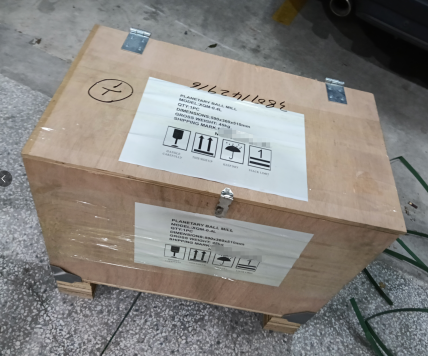
| Packaging Details: | carton+wood |
| Controltype: | Digital control panel |
| Machine Weight: | 45 kg |
| Grinding Balls Diameter: | 10mm |
| Max Load Capacity: | 4kg |
| Machineweight: | 45 kg |
| Maximum Output Size: | 0.1μm |
| Grinding Jar Type: | 4 Jars |
| Powersupply: | 220V/50Hz |
| Programmable Interval: | 1-99 minutes |
| Grinding Ball Size: | 10mm |
| Safety Features: | Overload Protection, Emergency Stop |
| Grinding Jar Material: | Tungsten Carbide |
| Max Feeding Capacity: | 2/3 capacity of the grinding jar |
| Grinding Ball Diameter: | 3mm, 5mm, 8mm, 10mm, 15mm |
| Capacity: | 0.4L-100L |
| Company Info. |
| Guangzhou Zoli Technology Co.,Ltd. |
| Verified Supplier |
| View Contact Details |
| Product List |
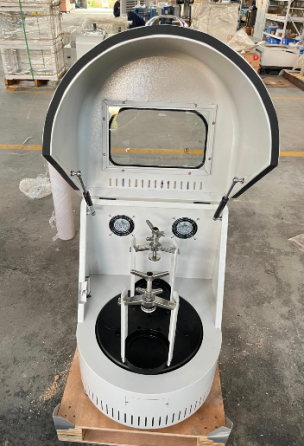
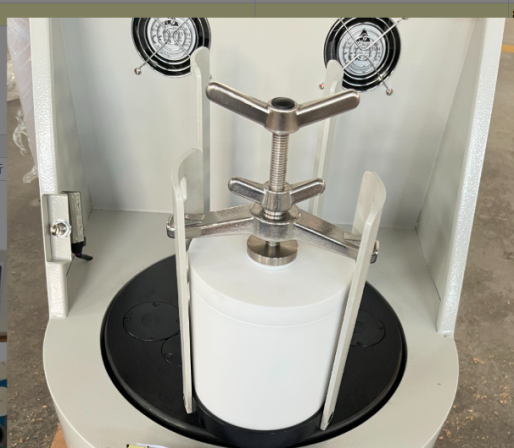
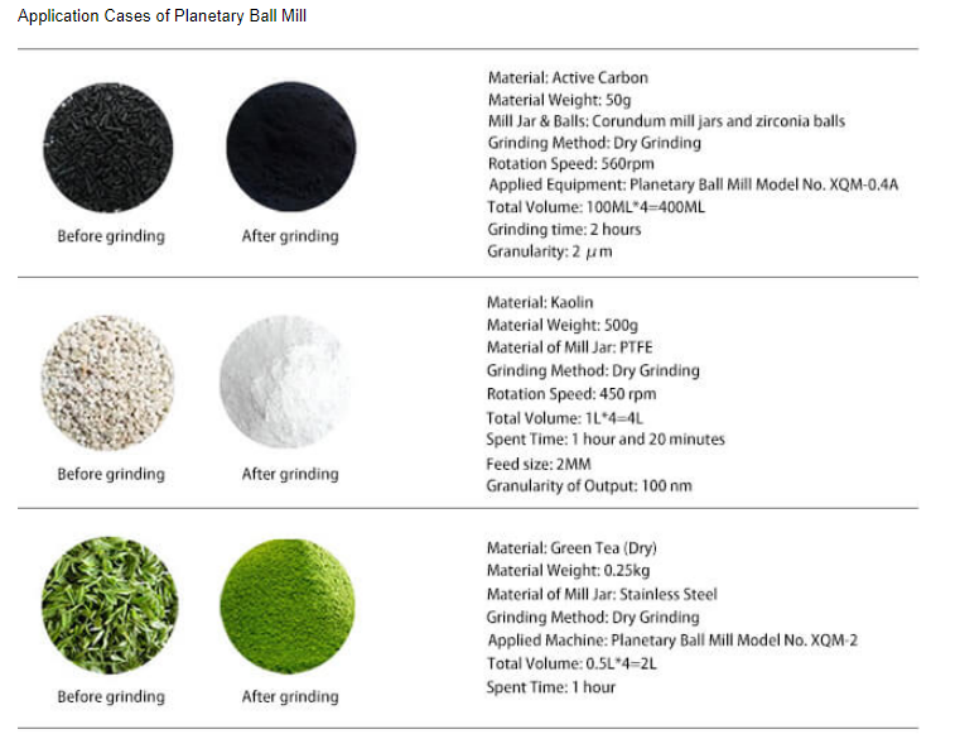
The "Planetary ball mill laboratory soil iron powder grinding equipment, stainless steel/zirconia/ceramic planetary grinding machine" describes a versatile, high-performance laboratory grinder specifically configured for challenging materials like soil and metal powders, with an emphasis on the choice of grinding materials to prevent contamination and suit specific sample properties.
This positions the machine as an essential tool for geotechnical, metallurgical, and materials science laboratories where sample integrity is paramount.
Purpose: To pulverize soil and sediment samples to a very fine, homogeneous powder for accurate chemical and physical analysis.
Required Fineness: Needs to be fine enough for techniques like X-Ray Fluorescence (XRF), Inductively Coupled Plasma (ICP) analysis, or other elemental analysis methods, where particle size can affect results.
Challenge: Soils can be abrasive (containing silica) and sometimes moist. The mill must be powerful enough to break down organic matter and mineral aggregates.
Purpose: To reduce the particle size of iron or other metal powders for applications in powder metallurgy, creation of metal composites, or for research into magnetic materials.
Required Fineness: Often needs to reach the micron or nano-scale to alter material properties like sintering behavior, reactivity, or magnetic response.
Challenge:
Contamination: The mill must not introduce impurities that would alter the metal's properties.
Explosion Risk: Fine metal powders can be pyrophoric (ignite spontaneously in air). This often requires grinding in an inert atmosphere (using vacuum jars purged with Argon or Nitrogen gas).
Work-Hardening: Some metals become tougher and harder to grind as they are deformed.
This is the core of the description. The choice of material is a direct response to the application's needs to prevent contamination and ensure efficient grinding.
| Material | Key Properties | Ideal for Soil? | Ideal for Iron Powder? | Primary Consideration |
|---|---|---|---|---|
| Stainless Steel | Durable, Cost-Effective, Good Hardness | Yes, but with caution. Good for general purpose grinding. | No. Will cause significant iron contamination from wear. | Contamination from Iron. The jar itself will wear, introducing Fe, Cr, Ni into the sample. Acceptable for samples where trace metal contamination is not a concern. |
| Zirconia (ZrO₂) | Extremely Hard, High Density, Excellent Wear Resistance, Low Contamination | Excellent. The best choice for hard, abrasive soils. Produces minimal contamination. | Excellent. The preferred choice. Its hardness efficiently grinds the metal, and it introduces only minimal, known ceramic contamination (Zr, Y). | Best All-Around Performance. The high density of Zirconia media creates higher impact energy, leading to faster and finer grinding. It is the top choice for most demanding applications. |
| Ceramic (Alumina - Al₂O₃) | Very Hard, Abrasion Resistant, Chemically Inert | Very Good. A great choice for abrasive soils. | Good, but less than Zirconia. Will contaminate with Alumina. Softer and less dense than Zirconia, so grinding may be slower. | Cost-Effective Alternative. Alumina is harder than stainless steel and avoids iron contamination. It's a high-performance option that is often more affordable than Zirconia. |

|
 Compact Micro Planetary Ball Mill Machine For Alloy Nanoparticles 110V
XQM-4L Experimental Vertical Planetary Ball Mill
nano-scale powder ceramic planetary ball mill small rapid laboratory ball mill
Laboratory small planetary ball mill,dry and wet pulverizer, nano sample preparation,silent soil grinding
ZOLI Bench-top Size Designed For Laboratory Research And Development
High Energy Laboratory Planetary Small Sample Preparation Grinding Machine
Compact Laboratory Planetary Ball Mill Emi-circular Grinding Jar Design
Versatile And High-performance 1L Laboratory Nano-Scale Ball Mill With 100ml Zirconia Tank
Planetary Ball Mill with Zirconia Tank Precision Laboratory Grinding Instrument
Planetary Ball Mill Small Laboratory Dry And Wet Dual-purpose Agate Grinding Jar
Compact Micro Planetary Ball Mill Machine For Alloy Nanoparticles 110V
XQM-4L Experimental Vertical Planetary Ball Mill
nano-scale powder ceramic planetary ball mill small rapid laboratory ball mill
Laboratory small planetary ball mill,dry and wet pulverizer, nano sample preparation,silent soil grinding
ZOLI Bench-top Size Designed For Laboratory Research And Development
High Energy Laboratory Planetary Small Sample Preparation Grinding Machine
Compact Laboratory Planetary Ball Mill Emi-circular Grinding Jar Design
Versatile And High-performance 1L Laboratory Nano-Scale Ball Mill With 100ml Zirconia Tank
Planetary Ball Mill with Zirconia Tank Precision Laboratory Grinding Instrument
Planetary Ball Mill Small Laboratory Dry And Wet Dual-purpose Agate Grinding Jar
