| Sign In | Join Free | My benadorassociates.com |
|
| Sign In | Join Free | My benadorassociates.com |
|
| Categories | CNC Turning Parts |
|---|---|
| Brand Name: | PFT |
| Model Number: | OEM/ODM |
| Certification: | ISO13485, IS09001, AS9100, IATF16949 |
| Place of Origin: | China |
| MOQ: | 1pcs |
| Price: | 0.49 |
| Payment Terms: | L/C,D/A,D/P,T/T,Western Union,MoneyGram |
| Supply Ability: | 300,000pcs |
| Delivery Time: | 7-15 day |
| Packaging Details: | custom |
| Drawing Needed: | PDF/DWG/DXF/IGS/STP/ X-Tetc. |
| Service: | Customized OEM |
| Type Of Machining: | CNC Turning |
| Surfacefinish: | Ra 0.8 μm |
| Material Standard: | ISO, DIN, ASTM, UNS, AISI, JIS, BS, NF |
| Origin: | Xiamen, Fujian Province, China |
| Colour: | silver, black ,gold,grey etc |
| Raw Material: | Aluminum, Brass, |
| Material: | Stainless Steel |
| Processing: | CNC Turning, Drilling,Tapping |
| Turning: | Available |
| Trade Term: | FOB/CIF/CFR/CNF/EXW |
| Material Capabilities: | Stainless Steel,Brass |
| Payment Type: | TT/paypal/LC/western union |
| Delivery: | Express, Air, Sea, Etc. |
| Company Info. |
| Shenzhen Perfect Precision Product Co., Ltd. |
| Verified Supplier |
| View Contact Details |
| Product List |
Hey there, let's talk about a combination that might sound technical but is all around you: anodized surface stamping parts. You've probably held a product that uses this process without even knowing it.
So, what's the big deal? Why do engineers and designers love this combo so much? Let's break it down in plain English.
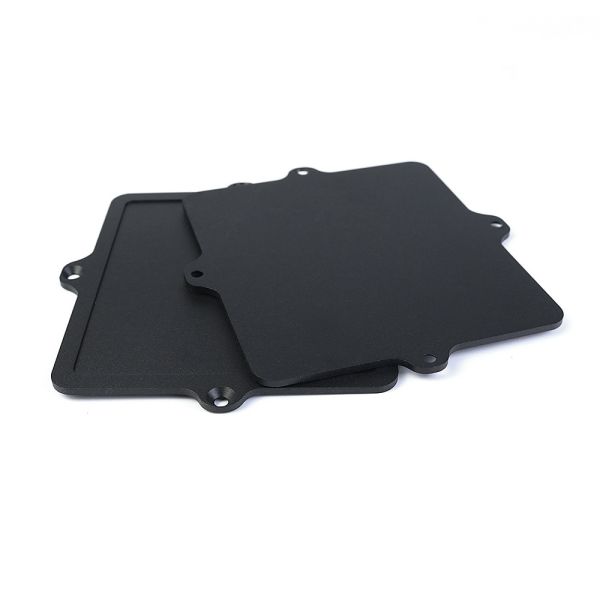
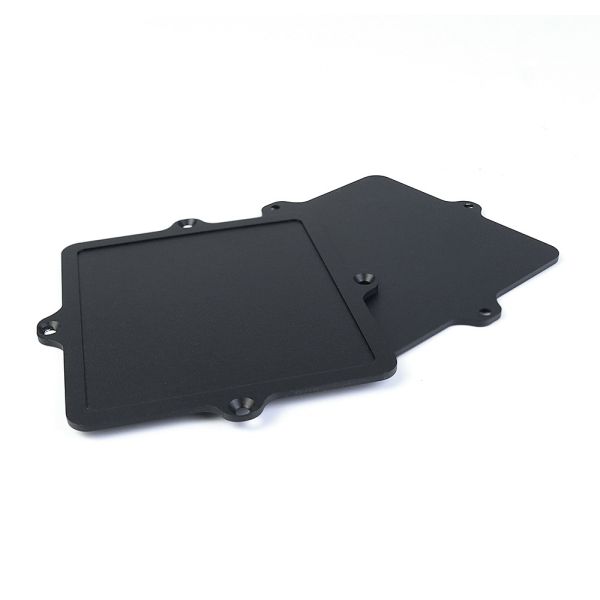
Think of it as a two-step superhero transformation for metal parts.
You might ask, "Why not just stamp a part and call it a day?" Or, "Why not just paint it?" Here’s the magic that happens when you combine them:
Once you know what to look for, you'll see anodized stamping parts everywhere:
If you're designing a part that needs to be tough, good-looking, and produced efficiently, this combo is a top contender. Here are a few tips:
Anodized surface stamping parts give you the best of both worlds: the cost-effective strength of metal stamping and the incredible durability and beauty of an anodized finish. It’s a proven way to build a product that not only works perfectly but also looks professional and lasts for years.
Got a project that could use this kind of rugged elegance? [Let's talk] about your design. We'll help you navigate the process from stamping to anodizing to get you the perfect part.


1. Are you a manufacturer or a trading company?

|
 Stainless Steel CNC Turning Parts Plastic Delrin POM Machining
Anodized Aluminum CNC Turning Parts Brush Surface OEM Machining Service
Brass Plastic CNC Turning Spare Parts , Aluminum Hardware CNC Turning Services
Metal Threaded Tube CNC Turning Parts TUV Aluminum Machining
Oxidizing Aluminum Turning Parts High Precision Carbon Steel Zinc Plating Surface
Electroplating Surface CNC Turning Parts Stainless Steel Brass 3D Printing Service
ISO9001 Tolerance 0.01mm Metal Turning Parts , Anodized CNC Lathe Machining Parts
Anodized CNC Turning Parts
Precision Small CNC Turning Precision Parts ISO9001 Tolerance 0.01-0.05mm
PFT ODM OEM Aluminum Turned Parts , Polishing CNC Machining Prototype Service
Stainless Steel CNC Turning Parts Plastic Delrin POM Machining
Anodized Aluminum CNC Turning Parts Brush Surface OEM Machining Service
Brass Plastic CNC Turning Spare Parts , Aluminum Hardware CNC Turning Services
Metal Threaded Tube CNC Turning Parts TUV Aluminum Machining
Oxidizing Aluminum Turning Parts High Precision Carbon Steel Zinc Plating Surface
Electroplating Surface CNC Turning Parts Stainless Steel Brass 3D Printing Service
ISO9001 Tolerance 0.01mm Metal Turning Parts , Anodized CNC Lathe Machining Parts
Anodized CNC Turning Parts
Precision Small CNC Turning Precision Parts ISO9001 Tolerance 0.01-0.05mm
PFT ODM OEM Aluminum Turned Parts , Polishing CNC Machining Prototype Service

