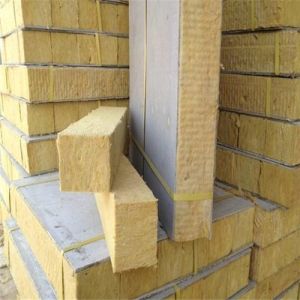
Various Usages Of Rock Wool Panels' Fire Resistance Performance
Rock wool panels, with their Class A non-combustibility, excellent
high-temperature stability, and flame-blocking capability, play
irreplaceable special roles in scenarios with strict fire safety
requirements. Their fire resistance functions primarily around
three core dimensions: "passive fire barriers," "structural fire
protection," and "fire risk isolation."
Core Performance
In the construction sector, these panels are crucial for building
passive fire protection systems to block fire spread paths—an
advantage ordinary insulation materials like polystyrene boards or
extruded boards cannot match. For high-rise buildings, where
vertical height increases evacuation difficulty, rock wool panels
are used as core materials for non-load-bearing fire partitions and
fire cantilevers, or filled in gaps between curtain walls and the
main structure. Withstanding temperatures of 800-1000℃ without
burning or releasing toxic gases while maintaining structural
strength, they prevent flames from spreading between fire zones,
buying critical time for evacuation. They also seal gaps in
elevator shafts, cable shafts, and pipe shafts—vertical "chimneys"
for fire—to stop flames from rushing to the top within minutes and
avoid secondary hazards like pipe or cable damage. In external wall
insulation systems, especially for densely populated areas (malls,
schools, hospitals) and super high-rises over 100 meters, rock
wool-core composite panels replace flammable insulation materials
to prevent external wall fires.
Applications in Industrial Settings
In industrial settings, where high-temperature equipment (boilers,
kilns) and flammable processes (chemical reactions, oil-gas
storage) pose significant fire risks, rock wool panels protect
equipment and isolate hazards. For high-temperature equipment
operating at hundreds of degrees Celsius, customized dense,
high-heat-resistant rock wool panels wrap the exterior—reducing
heat loss via low thermal conductivity and blocking contact between
high temperatures and surrounding flammables (cables, insulation
cotton) to prevent ignition accidents. In chemical workshops and
storage tank areas, where leaked flammable solvents or chemicals
easily trigger explosions, rock wool panels line fire partitions
and dikes or act as barriers between equipment and operation zones.
Even if local combustion occurs, they contain flames and protect
adjacent equipment, minimizing accident escalation. In the power
industry, they line cable trays in power plants and substations or
seal cable wall penetrations to shield cables from flame erosion,
ensuring power systems operate normally during initial fires for
emergency power supply and fire suppression.
Applications in Transportation
In transportation, where enclosed spaces (vehicles, tunnels) limit
evacuation and amplify fire risks, rock wool panels address
"confined-space fire prevention." For rail transit (subways,
high-speed trains), they form the core of composite interior panels
(floors, walls, ceilings) meeting strict standards like GB/T
24430-2021 Fire Performance Requirements for Interior Materials of
EMUs. Non-combustible with low smoke density and no toxic emissions
(carbon monoxide, hydrogen chloride), they prevent rapid smoke
buildup that causes suffocation and slow structural damage to buy
time for train docking and passenger evacuation. In road/railway
tunnels, narrow spaces make vehicle fires or accidents highly
dangerous. Rock wool panels (often combined with fire-retardant
coatings) line tunnel sidewalls and ceilings—resisting prolonged
flame exposure to prevent concrete structural collapse from high
temperatures and reducing toxic smoke to improve evacuation
conditions. Unlike other materials, rock wool panels’ fire
resistance is not merely "non-combustible" but combines
"high-temperature stability, low smoke/toxicity release, and
structural support." During fires, they block flames, avoid toxic
gas emissions (a major cause of fire casualties from plastic
insulation), and maintain shape without collapsing or
dripping—sustaining fire protection. This "multi-functional
synergy" makes them indispensable for high-safety-priority
scenarios in construction, industry, and transportation.
Rock wool boards ensure fire equipment reliability through superior
thermal insulation, anti-freezing protection, fire resistance, and
effective sealing. These properties make them indispensable for
enhancing building fire protection system safety standards.

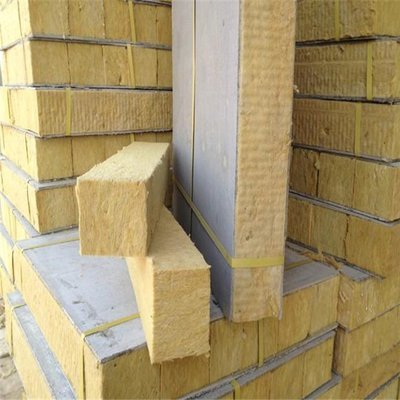
 Medium Density Rock Wool Board 1200x600mm With Temperature Resistance -268℃ ~ 650℃