| Sign In | Join Free | My benadorassociates.com |
|
| Sign In | Join Free | My benadorassociates.com |
|
| Categories | Rockwool Fire Board |
|---|---|
| Brand Name: | SEASTAR |
| Model Number: | Customizable according to requirements |
| Certification: | CNASL6673 |
| Place of Origin: | Chengdu, Sichuan, China |
| MOQ: | 20m³ |
| Price: | 238 USD/tons (Current price) |
| Payment Terms: | spot goods and spot payment |
| Supply Ability: | 2000 tons/month |
| Delivery Time: | 2-7 days |
| Packaging Details: | wrapped with a stretched polyethylene film directly on the outside |
| Density: | 40 - 200 kg/m³ |
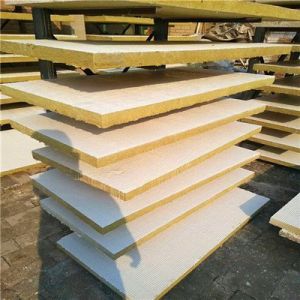
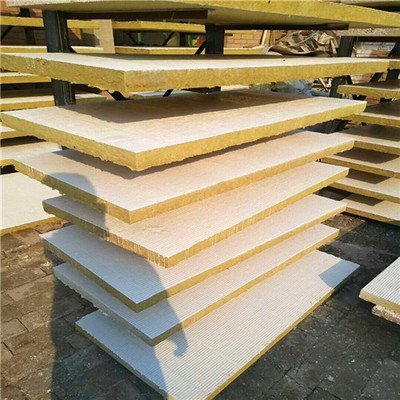
| Color: | yellowish-brown |
| Stock Size: | 1200×600(mm) |
| Thickness: | 30mm-150mm |
| Electrical Insulation: | Good |
| Noise Reduction: | Good |
| fireproofing: | Good |
| Hydrophobic Property: | Good |
| Temperature Resistance: | -268℃ ~ 650℃ |
| Surface Finish: | Rough |
| Company Info. |
| Pengzhou Shiyida Building Materials Co., Ltd. |
| Verified Supplier |
| View Contact Details |
| Product List |
In settings like factories and power plants, you often encounter equipment that operates at extremely high temperatures (such as boilers and reaction kettles) and pipes (like those transporting high-temperature steam or hot oil). These high-temperature components not only lead to wasteful heat loss but also pose a risk of scalding accidents due to their excessively hot surfaces. In extreme cases, they may even suffer reduced service life due to temperature fluctuations. However, rock wool boards, with their high-temperature resistance and strong thermal insulation properties, can specifically address these issues and have become a common material for protecting high-temperature equipment and pipes.
How Rock Wool Boards Are Used for Protection of High-Temperature Equipment and Pipes
From the perspective of specific protection logic, the core function of rock wool boards is to "build a thermal insulation barrier." Made from high-temperature-resistant rocks (e.g., basalt and diabase) that are melted at high temperatures, turned into fibers, and then pressed into shape, rock wool boards themselves can withstand temperatures ranging from 800°C to 1200°C without burning or deforming under the normal operating temperatures of equipment. When wrapped around the outer casing of high-temperature equipment or the outer walls of pipes, rock wool boards form a "thermal insulation layer" between the high-temperature components and the outside environment. On one hand, this layer prevents heat inside the equipment from escaping outward—for example, when steam pipes in power plants are wrapped with rock wool boards, heat loss is reduced, helping to save energy. On the other hand, it lowers the surface temperature of the equipment and pipes, preventing scalds from accidental contact by workers and making workshop operations safer.
In practical applications, the protection method is adjusted based on the type and temperature of the equipment and pipes. For cylindrical pipes, specialized "rock wool pipe shells" are used for wrapping. The inner side of the pipe shell fits closely against the outer wall of the pipe, the joints are sealed with high-temperature-resistant adhesive, and then gently secured with wire or steel straps to prevent loosening. For square equipment like reaction kettles and boilers, flat rock wool boards are cut to the appropriate size and pasted layer by layer onto the equipment's outer casing. The gaps between each layer must also be tightly sealed to avoid "thermal insulation gaps." If the equipment operates at extremely high temperatures (e.g., close to 1000°C), two layers of rock wool boards may be stacked to further enhance the thermal insulation effect.
Additionally, rock wool boards can meet protection needs in special scenarios. For instance, some high-temperature pipes pass through low-temperature areas (such as from a high-temperature workshop to an air-conditioned room). Beyond thermal insulation, rock wool boards can also prevent water droplets from condensing on the outer walls of the pipes due to temperature differences (avoiding pipe rust). For high-temperature equipment in some factories that requires regular maintenance, detachable rock wool board protective covers (rock wool boards made into openable "coats") are used—these can be removed during maintenance and put back on afterward, offering convenience without compromising protection.
Rock wool boards ensure fire equipment reliability through superior thermal insulation, anti-freezing protection, fire resistance, and effective sealing. These properties make them indispensable for enhancing building fire protection system safety standards.

|
 Non Combustible Rockwool Fire Resistant Board Offering Sound Absorption Coefficient 085 NRC Designed for Fire Safety and Acoustic Performance
Fireproofing Good Rockwool Fire Board Density 120 Kg per Cubic Meter Stock Size 1200 by 600 Millimeters Ideal for Thermal Insulation
1200 Mm X 600 Mm Rockwool Fire Resistant Board Non Combustible Heat Resistant Panel Suitable for Industrial Fireproofing
1200 Mm X 600 Mm Rockwool Fire Board Fireproofing Good Thermal Insulation Material Ideal for Fire Resistant Applications
Hydrophobic Treated Rockwool High Temperature Board Offering Mechanical Fixing Or Adhesive Installation for Industrial Thermal Insulation
Medium Density Rock Wool Board 1200x600mm With Temperature Resistance -268℃ ~ 650℃
Rigid Rock Wool Boards Fireproof Protecting Pipes / Cables
Rockwool Fire Board Fireproofing Good Thermal Conductivity 0.035 Wm K Ideal Insulation Solution
Rough Rockwool Fire Board Fireproofing 30-150mm Thickness
Multi Functional Rockwool Fire Board 1200x600mm 40-200kg/M³ Density Fireproof
Non Combustible Rockwool Fire Resistant Board Offering Sound Absorption Coefficient 085 NRC Designed for Fire Safety and Acoustic Performance
Fireproofing Good Rockwool Fire Board Density 120 Kg per Cubic Meter Stock Size 1200 by 600 Millimeters Ideal for Thermal Insulation
1200 Mm X 600 Mm Rockwool Fire Resistant Board Non Combustible Heat Resistant Panel Suitable for Industrial Fireproofing
1200 Mm X 600 Mm Rockwool Fire Board Fireproofing Good Thermal Insulation Material Ideal for Fire Resistant Applications
Hydrophobic Treated Rockwool High Temperature Board Offering Mechanical Fixing Or Adhesive Installation for Industrial Thermal Insulation
Medium Density Rock Wool Board 1200x600mm With Temperature Resistance -268℃ ~ 650℃
Rigid Rock Wool Boards Fireproof Protecting Pipes / Cables
Rockwool Fire Board Fireproofing Good Thermal Conductivity 0.035 Wm K Ideal Insulation Solution
Rough Rockwool Fire Board Fireproofing 30-150mm Thickness
Multi Functional Rockwool Fire Board 1200x600mm 40-200kg/M³ Density Fireproof